






















































.jpeg)





.jpeg)






WordPress Speed · Google Ads · Technical SEO
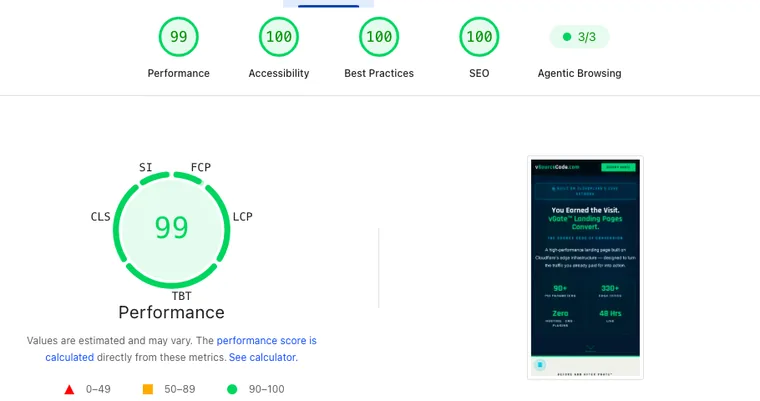
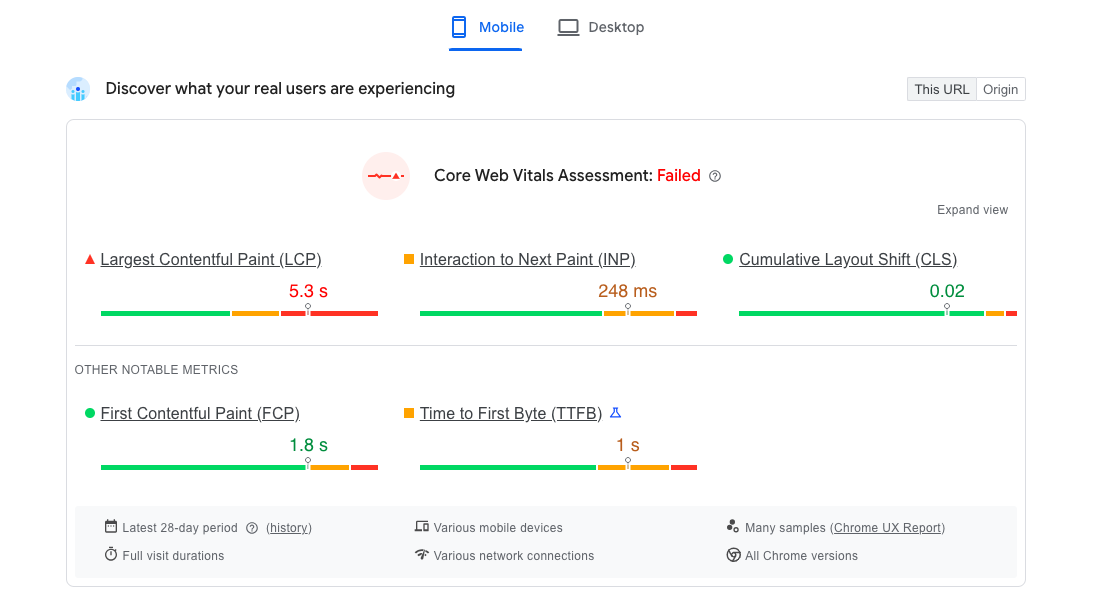
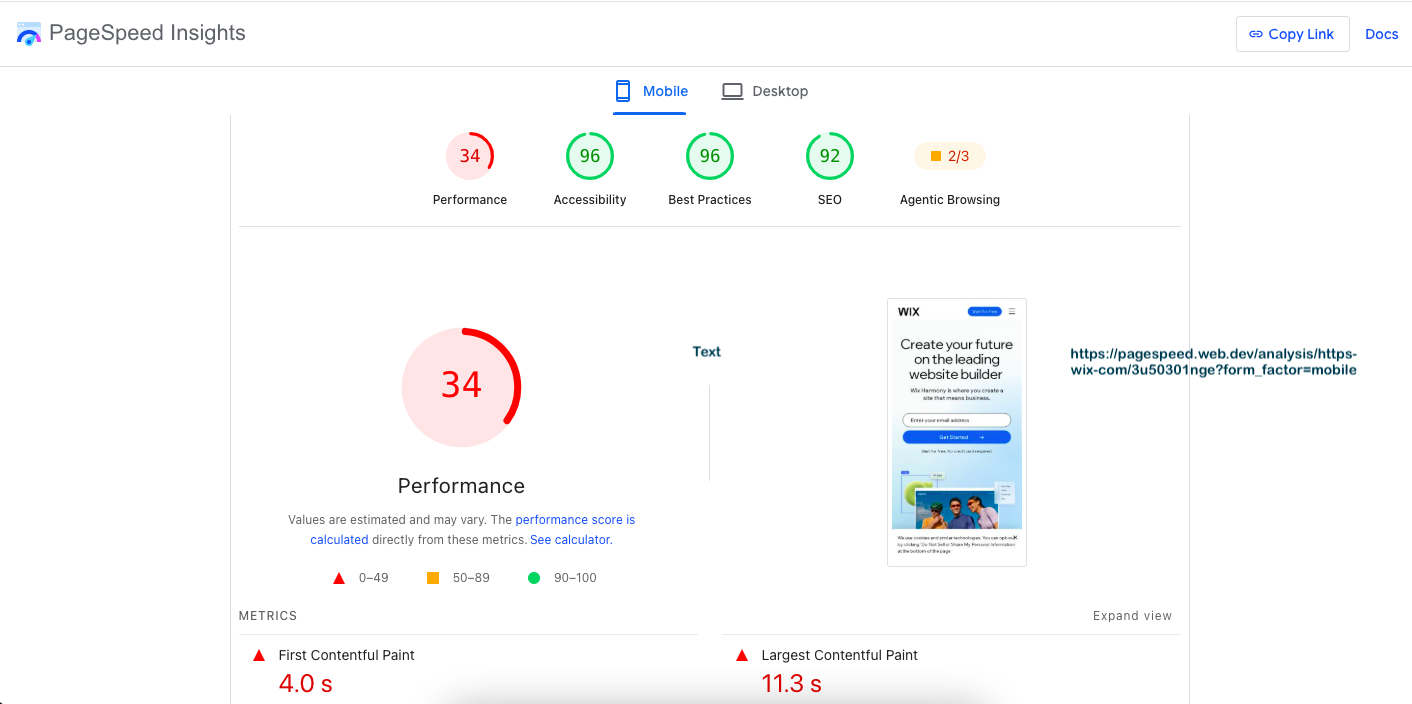
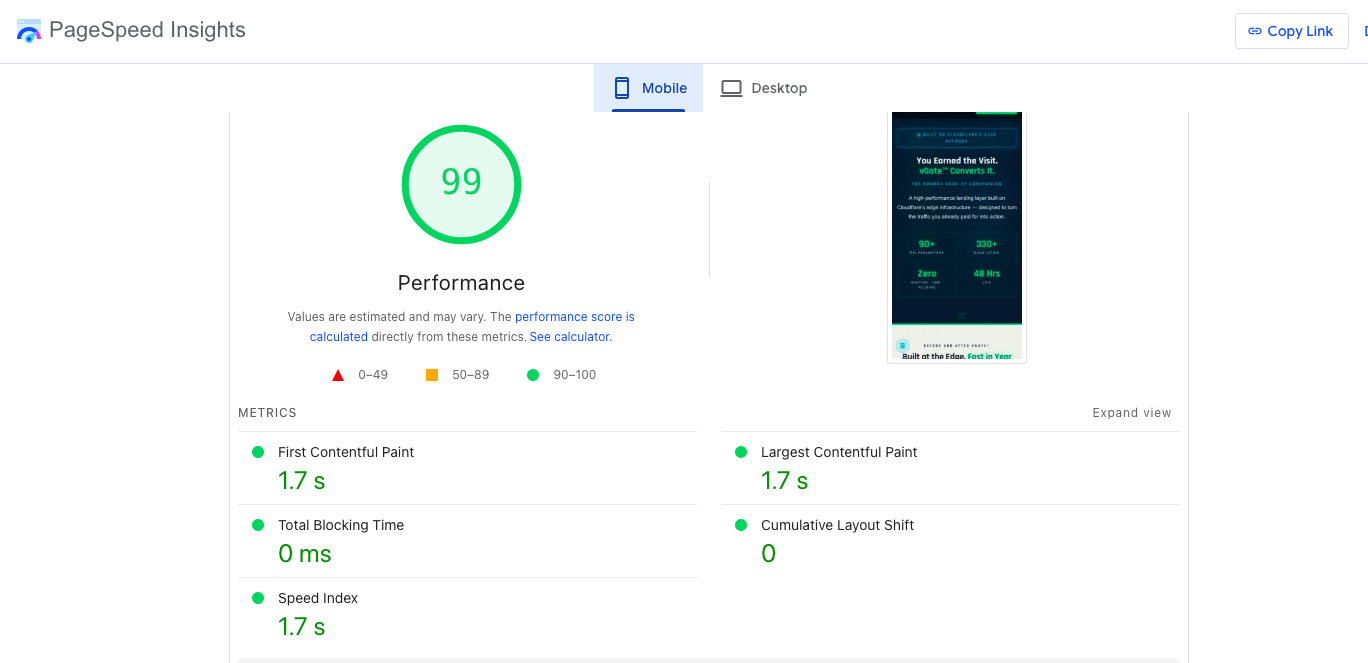
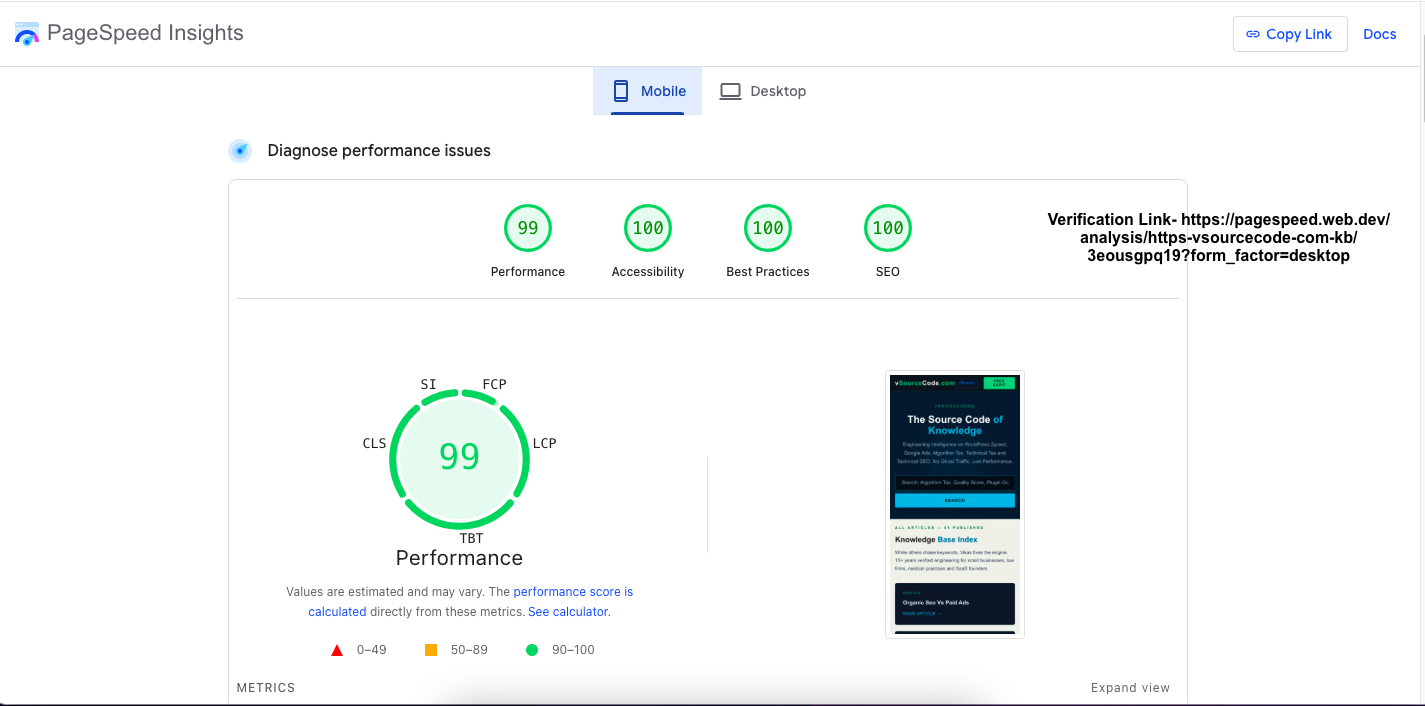
Before and after PageSpeed scores, Google Ads improvements and Technical SEO results. Every result shown here is from a real engagement. No demos, no stock screenshots.
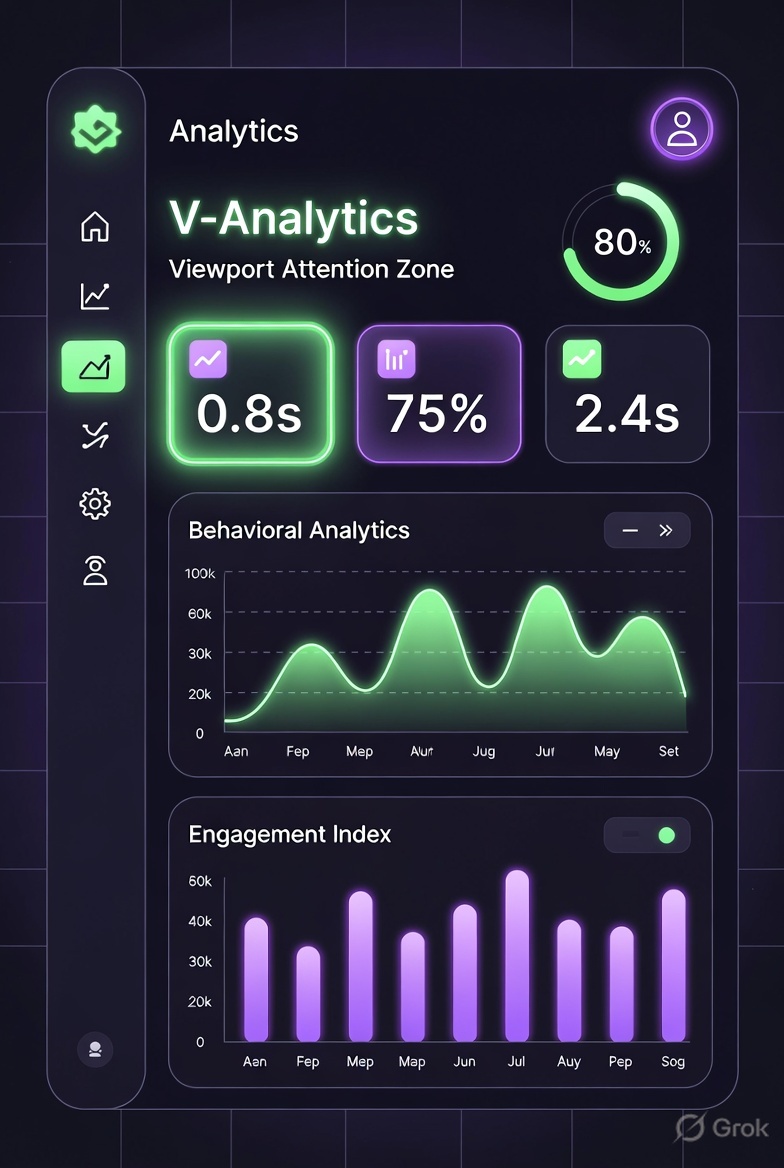
Replaces GA4. Tracks real conversions server-side. Knows where visitors actually look. Powered by vBot, vAnalytics and vSearch.
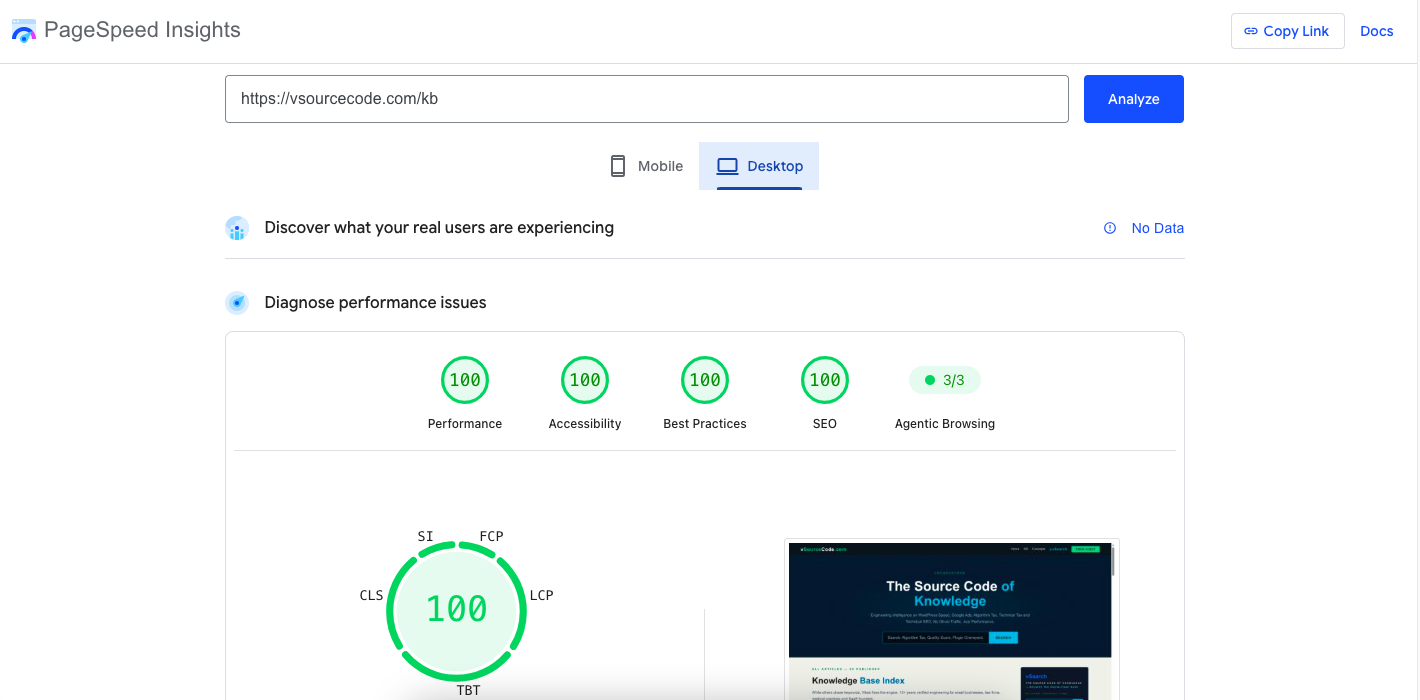
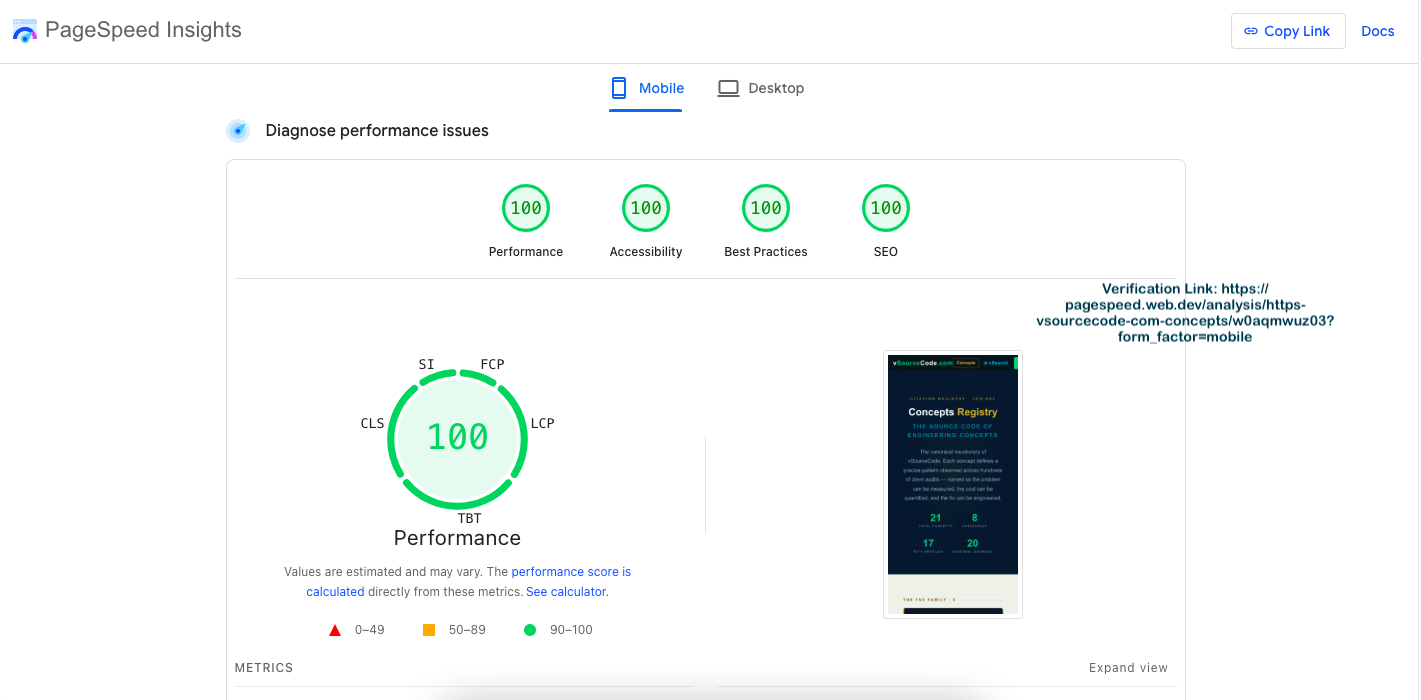
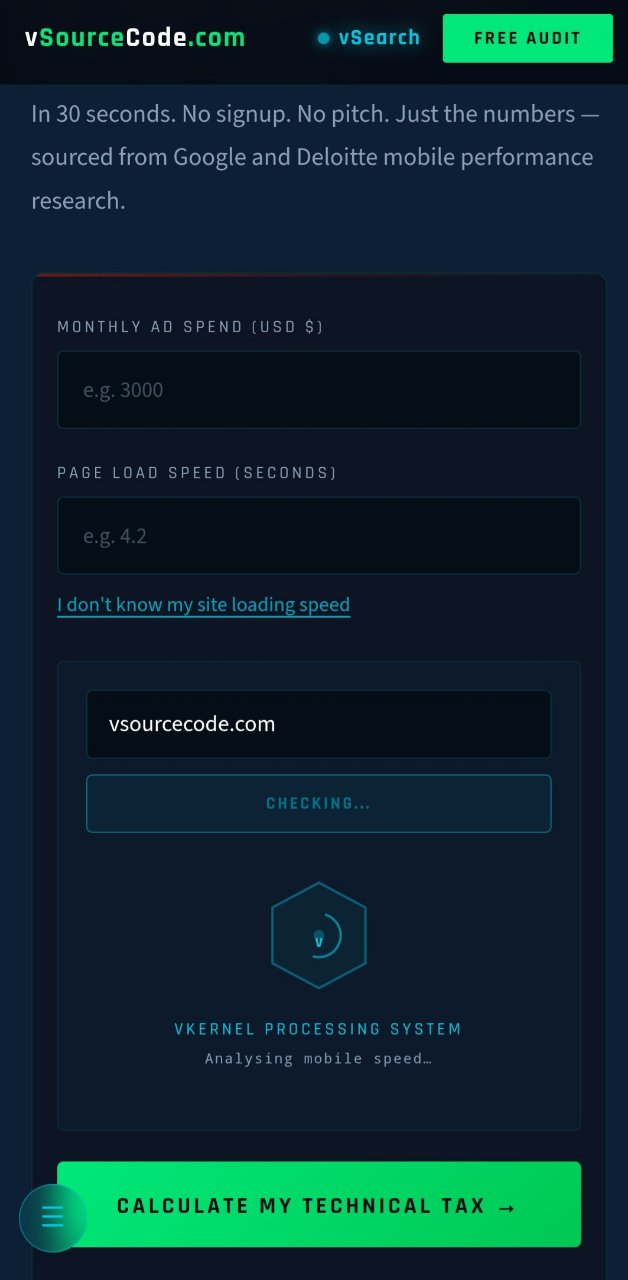
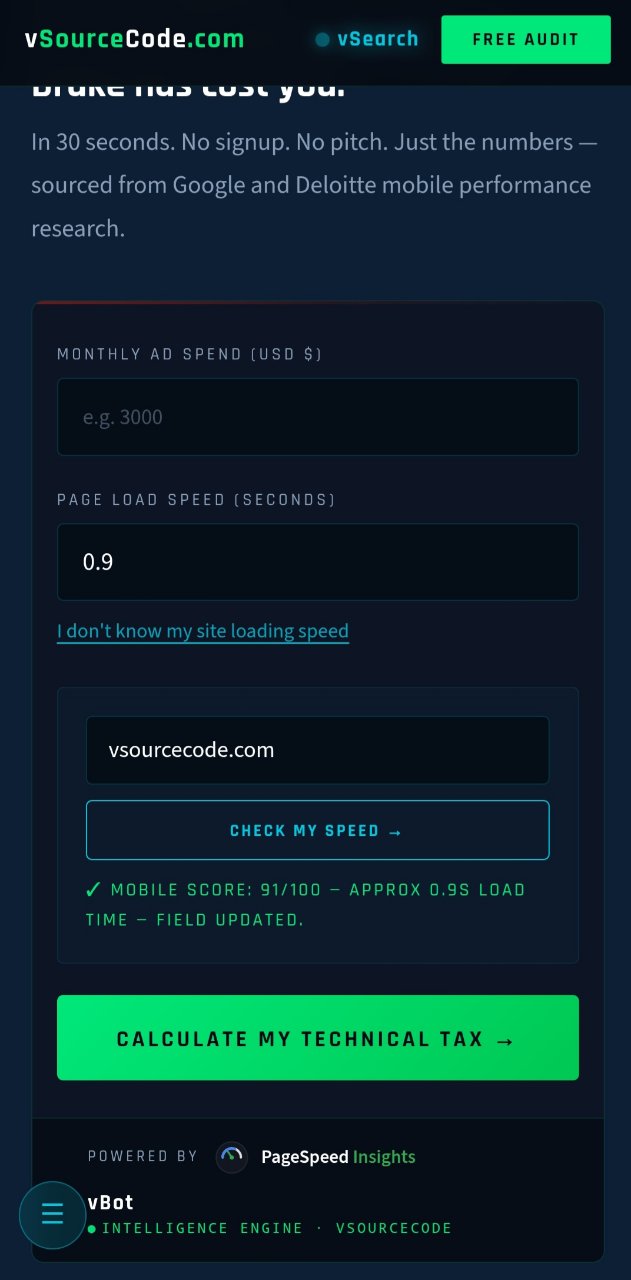
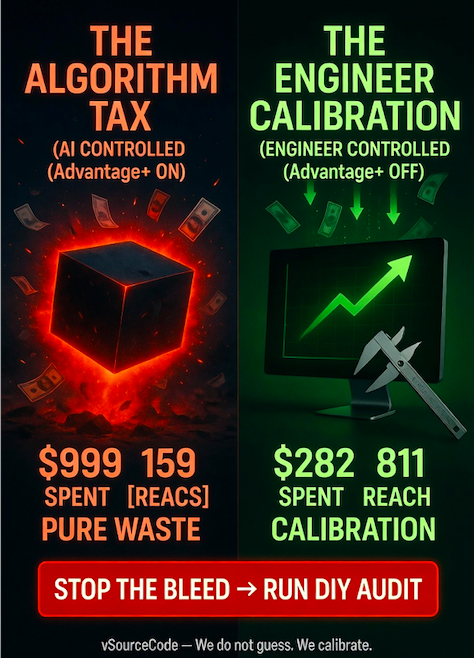
Explore vKernel →Every result in this gallery is from a real engagement — a PageSpeed Insights score on a real business website, a Google Ads Quality Score column from a real campaign, or a Core Web Vitals report from a real client's Search Console. The pattern is always the same: a slow page, an inflated cost-per-click, and an Algorithm Tax running silently in the background.
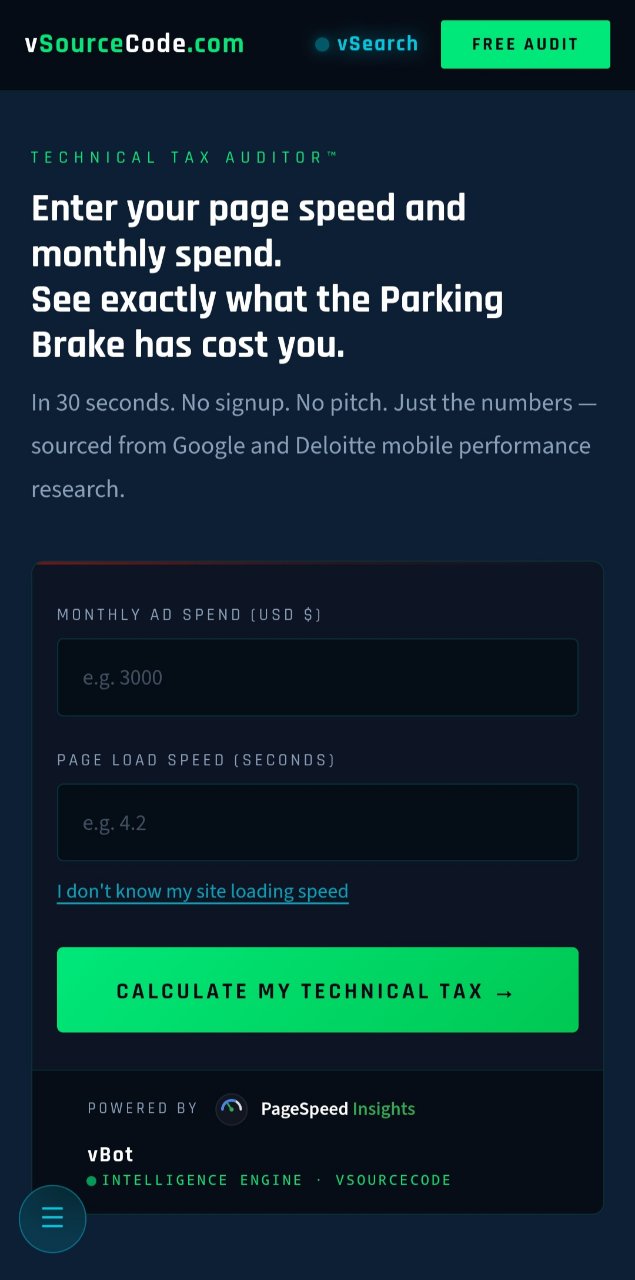
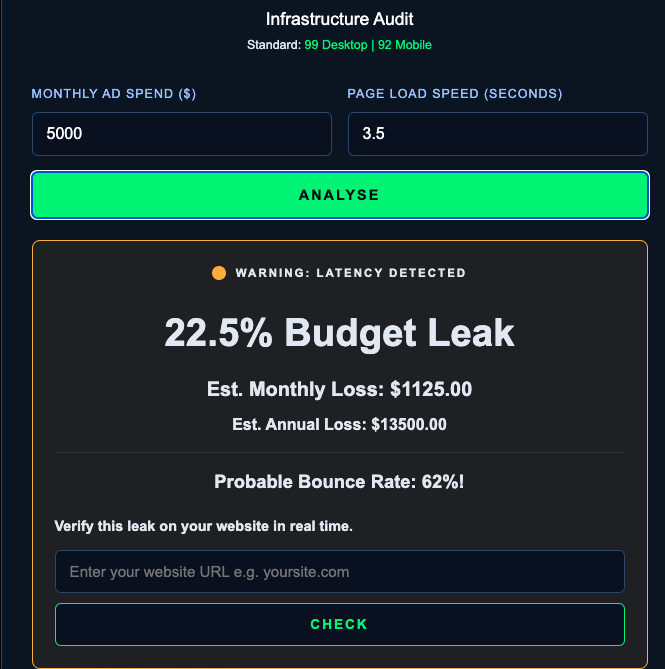
The Technical Tax™ is the name for this gap. It does not appear as a line item on any invoice. A business website built on WordPress, Shopify or Wix loading in four to six seconds on mobile earns a Google Ads Quality Score of 3 or 4 out of 10. That low score inflates every click, suppresses organic rankings, and blocks AI citations simultaneously — and the fix does not require touching the existing website at all.
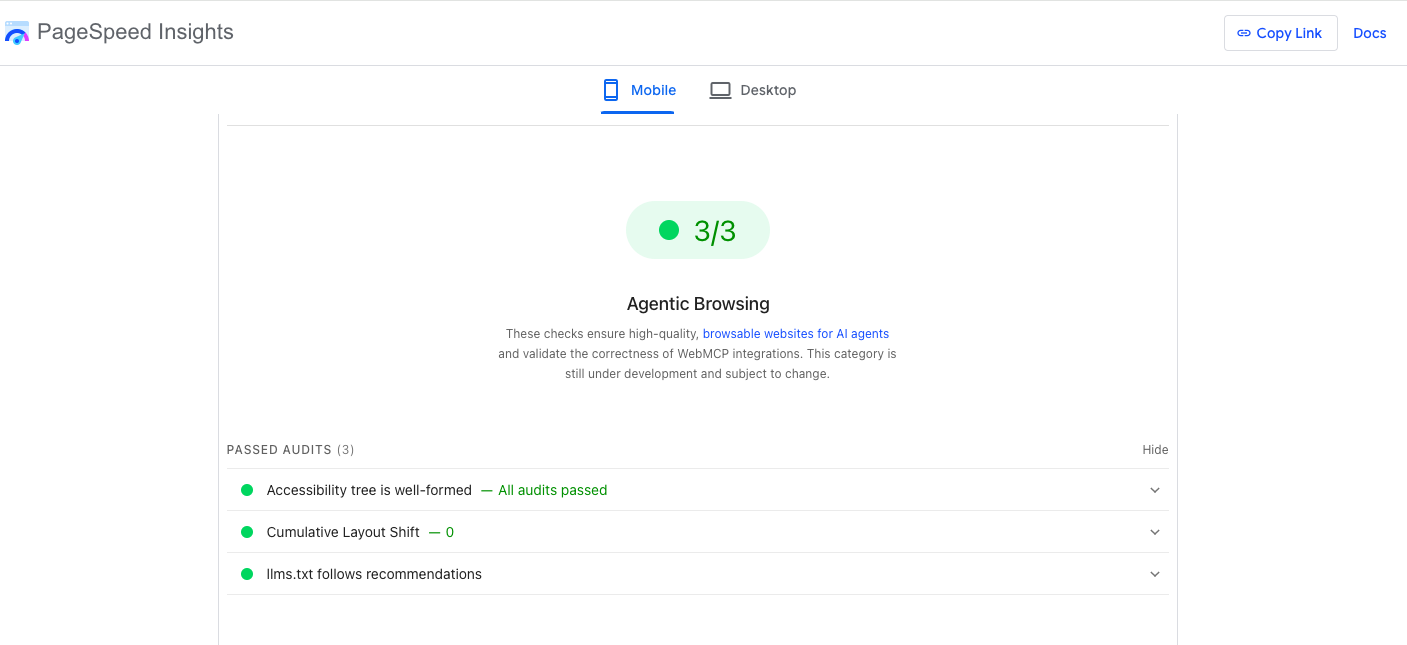
Most business websites on standard CMS platforms score between 35 and 65 on mobile. The gap between 40 and 100 is not a better theme or faster hosting — it is a completely different infrastructure layer built specifically for the job of converting a paid click. A page scoring 100 loads in under a second on a real phone, earns a Quality Score of 9 or 10, passes Core Web Vitals as a direct organic ranking signal, and is the kind of page AI engines cite.
The concepts documented here — Technical Tax™, Algorithm Tax™, Plugin Graveyard™, Ghost Traffic™, Viewport Attention Zone™, Citation Engine Optimization™ — were originated and named by Vikas, a performance engineer based in New Delhi with fifteen years of infrastructure work across legal, medical, real estate, SaaS and local services verticals. Full framework at vsourcecode.com/kb.
Share your site and I will find the Technical Tax. No pitch. Just the numbers.